
Introduction
Security has become one of the most important considerations for anyone choosing a place to live. Modern apartment living is no longer just about location, size, or amenities. It is also about how safe residents feel within their own building and their own home. Premium apartments today are expected to combine comfort, convenience, and strong security in a way that gives residents true peace of mind, a standard CDC Developers works toward in its residential projects.
An effective apartment building security system is not built around a single device or feature. It is a combination of physical security, controlled access, surveillance, and smart technology working together. This article looks at the essential systems and features that make up strong apartment security, how they apply to individual apartments as well as entire apartment complexes, and what residents should look for when evaluating apartment protection today.
Why Apartment Security Matters in Modern Buildings
Resident safety and peace of mind sit at the center of any conversation about apartment security. People want to know that their families, their belongings, and their daily routines are protected, whether they are at home or away. A well designed apartment security system reduces uncertainty and allows residents to feel comfortable in shared living environments.
Beyond individual units, security also protects common areas such as lobbies, corridors, elevators, and parking spaces. These shared spaces are used by dozens or even hundreds of residents and their guests every day, which makes them an important focus for any apartment building security plan.
High rise residential buildings face particular challenges. Multiple entry points, large numbers of residents, frequent visitor traffic, and shared facilities all require thoughtful planning. This is why modern apartments increasingly rely on multiple layers of security rather than a single measure. Controlled access, monitoring, trained personnel, and individual unit protection all work together to create a safer living environment.
Essential Apartment Building Security Features
Controlled Building Access
The main entrance is typically the first and most important line of defense for any apartment building security system. Controlled access ensures that only residents, authorized staff, and verified visitors can enter the premises.
Many modern buildings use access cards, keyless entry systems, or coded access points instead of traditional keys. These systems make it easier to manage who enters the building and when, while also reducing the risks associated with lost or duplicated keys. A reliable apartment building security system also includes clear processes for managing resident and visitor entry, so that access is convenient for residents but restricted for anyone without authorization.
CCTV Surveillance
CCTV surveillance is one of the most recognizable features of apartment protection. Cameras placed at entrances, lobbies, parking areas, and other common spaces allow continuous monitoring of activity throughout the building.
Continuous surveillance serves two purposes. It helps deter unwanted behavior simply by being present, and it provides a reliable record of events if an incident does occur. As part of a broader apartment building security system, CCTV coverage supports overall apartment protection by giving both management and residents visibility into shared areas that would otherwise be difficult to monitor around the clock.
Security Personnel and Visitor Management
Technology alone is not enough. Trained security staff stationed at building entrances add a human layer of protection that complements electronic systems. Personnel can verify identities, manage visitor logs, and respond quickly if something unusual occurs.
Visitor verification is a core part of this process. Rather than allowing anyone to walk in, security staff confirm that guests are expected and authorized before granting access. This extends to monitoring deliveries as well, ensuring that couriers and service providers are handled properly without compromising resident safety.
Secure Parking
Parking areas are often overlooked in discussions about apartment security, yet they are just as important as building entrances. Secure parking typically includes controlled access so that only residents and authorized vehicles can enter, along with CCTV coverage to monitor activity.
Proper lighting is another essential element. Well lit and monitored parking areas reduce risk and make residents feel safer when arriving home late or heading out early. Together, these measures make secure parking an important part of any complete apartment protection strategy.
Security Systems for Individual Apartments
While building wide measures protect common areas, an apartment security system for an individual unit adds another essential layer of protection. This is where home security for apartments becomes personal, focused on protecting the specific space where a resident lives.
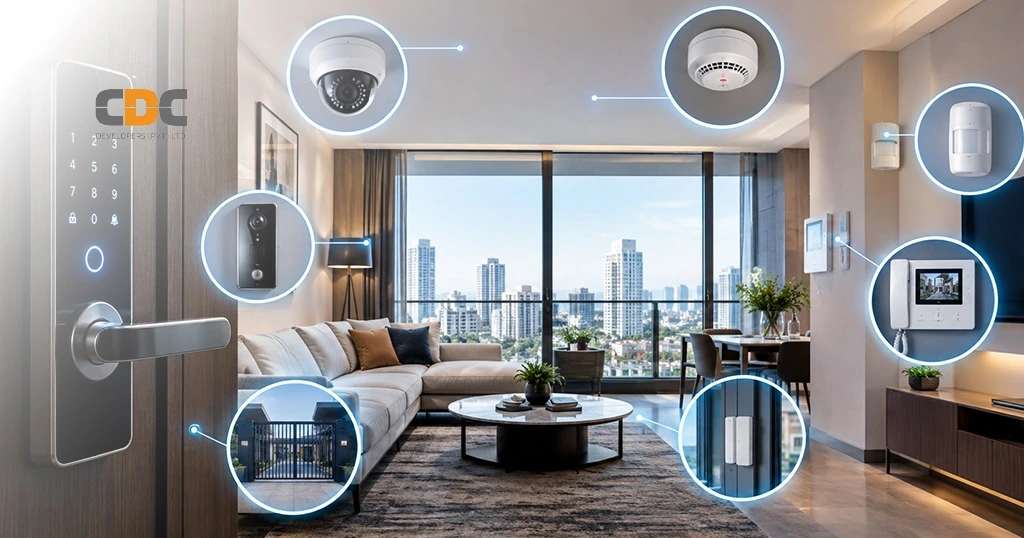
Common components of a home security system for apartments include:
- Smart or secure door locks
- Video intercom systems
- Door and window sensors
- Alarm systems
- Emergency communication features
A smart lock allows residents to control and monitor access to their own front door, often through a smartphone app, without relying solely on traditional keys. Video intercoms let residents see and speak with visitors before opening the door, adding a simple but effective layer of apartment home security. Door and window sensors detect unauthorized entry attempts, while alarm systems alert residents and, in some cases, building management or monitoring services if something is wrong. Emergency communication features, such as panic buttons or direct lines to building security, give residents a fast way to call for help when needed.
Together, these features form the foundation of a strong security system for apartments, whether the building already has strong shared security or the resident wants extra protection within their own unit.
Access Control Systems for Apartments
Access control systems for apartments are designed to manage who can enter a building or specific areas within it, and when they are allowed to do so. Rather than relying on a single lock and key, these systems use electronic methods to verify identity and grant permission.
Electronic access cards and keyless entry are among the most common tools used today. Residents carry a card, fob, or use a mobile credential to unlock doors, while the system keeps track of entry activity. This makes it possible to restrict access to private areas, such as resident only floors, gyms, or rooftop spaces, so that only authorized individuals can enter.
Visitor access management is another important function. Instead of issuing permanent keys to guests, buildings can grant temporary or supervised access, keeping control firmly with residents and management. In high rise apartments, where dozens of people may move through common areas each day, this level of control significantly improves overall safety.
Traditional Access Control vs. Real Time Monitoring
Traditional access methods, such as standard locks and keys, offer basic protection but come with clear limitations. Keys can be lost, copied, or shared without the knowledge of building management, making it difficult to track exactly who has access at any given time.
Real time monitoring addresses many of these traditional apartment access control real time monitoring challenges. Modern systems can log every entry attempt, flag unusual activity, and give property managers immediate visibility into building access. When combined with surveillance, real time monitoring allows apartment complexes to move beyond simply restricting access toward actively understanding how and when that access is used. This combination of access control and video surveillance represents a significant step forward from traditional security methods.
Security Alarm Systems for Apartments
Security alarm systems for apartments are designed to detect and respond to potential threats as they happen. Rather than only restricting access, these systems actively watch for signs of trouble and alert residents or building staff immediately.
A typical apartment alarm system includes several core components. Door and window alarms trigger when an entry point is opened unexpectedly. Motion detection identifies movement within a space when no one is supposed to be there. Emergency alerts notify residents, security personnel, or monitoring services the moment an issue is detected. Many systems also include fire and smoke detection, which is essential for resident safety beyond just theft or intrusion.
Can You Have an Alarm System in an Apartment?
This is one of the most common questions renters and apartment owners ask. Generally speaking, yes, you can have a security system in an apartment, though the specific options available depend on the building and the terms of the lease.
Apartment friendly systems are designed with this in mind. Many alarm systems today are portable, wireless, and require no permanent installation or drilling, making them suitable for rented spaces. Before installing any system, it is important to check building or landlord requirements, since some properties may have restrictions on hardwired devices, exterior cameras, or modifications to doors and windows. In most cases, wireless and battery powered options provide a practical way to add a security system for an apartment without conflicting with lease terms.
Apartment Safety Devices for Modern Living
Beyond formal security systems, a range of individual devices contribute to apartment safety devices that residents can use to enhance their protection. These include:
- Smart locks
- Video intercoms
- Door and window sensors
- Smoke and fire detectors
- Motion sensors
- Emergency buttons
- Security cameras
Each of these apartment safety devices addresses a specific type of risk, from unauthorized entry to fire hazards. Smart locks and video intercoms manage who comes through the door. Sensors and cameras monitor activity within and around the unit. Smoke and fire detectors protect against hazards unrelated to intrusion, while emergency buttons provide a direct way to call for help during a crisis. Combined, these devices give residents practical, everyday tools to strengthen their apartment home security.
What Is the Best Security System for an Apartment?
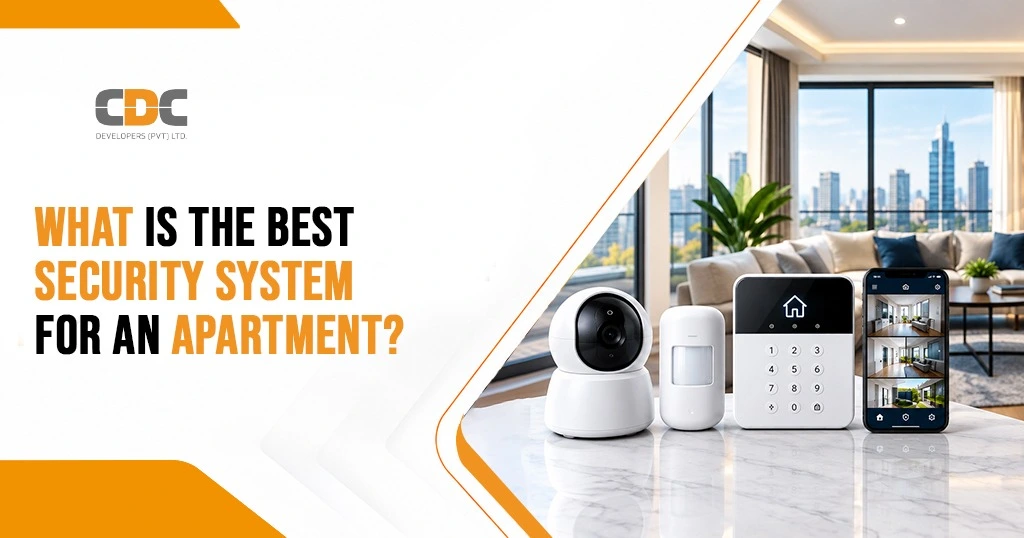
This is a question many residents ask, and the honest answer is that the best security system for an apartment depends on the specific apartment and building rather than any single universal solution.
Several factors should be considered when evaluating options, including:
- Building access points
- Existing security infrastructure
- CCTV coverage
- Monitoring requirements
- Apartment size
- Resident needs
A resident living in a building with strong shared security, such as controlled entrances and CCTV coverage, may only need lighter protection within their own unit. On the other hand, someone in a smaller building with fewer shared systems may want a more complete apartment security system of their own. Rather than promoting one fixed approach, the right choice comes from matching available features to the actual risks and needs of the specific apartment and its residents.
Apartment Friendly Security Systems for Renters
Renters often assume that strong apartment protection requires permanent installation, but that is not the case. Security systems for apartment renters are widely available and designed specifically to work within the limits of a lease agreement.
Non permanent security devices are at the center of this approach. Options include:
- Portable alarms
- Smart cameras
- Door and window sensors
- Video doorbells where permitted
These apartment friendly security systems typically use adhesive mounts, battery power, and wireless connections instead of hardwiring or drilling. This makes them easy to install and remove without damaging the property. As always, checking building rules before installation is an important step, since some properties may have specific guidelines around exterior devices or changes to common area fixtures.
Apartment Complex Security Systems
While individual units benefit from their own protection, apartment complex security systems operate on a much larger scale, covering the entire property rather than a single home. These systems are typically managed by building ownership or a property management team and are designed to protect all residents collectively.
Key components of apartment complex security systems often include:
- Building wide CCTV
- Main entrance security
- Access control
- Parking security
- Elevator and restricted area access
- Visitor management
- Centralized monitoring
Centralized monitoring ties these elements together, allowing security personnel or automated systems to oversee multiple areas of the property at once. This is particularly important in larger apartment complexes, where dozens of entry points, shared amenities, and common areas need consistent oversight. A well designed apartment complex security system reduces blind spots and ensures that protection extends across the entire property, not just individual units.
Security Features to Look for in Premium Apartments
When evaluating premium apartments security features, residents should look beyond surface level amenities and consider the systems that genuinely contribute to safety and comfort. Some of the most important features include:
- Controlled access
- CCTV surveillance
- Security personnel
- Secure parking
- Visitor management
- Emergency systems
- Fire and smoke detection
- Well monitored common areas
Premium apartments typically combine several of these features rather than relying on just one. This layered approach reflects a broader understanding that apartment protection works best when physical security, technology, and human oversight all support one another. For anyone comparing properties, these features offer a useful checklist for evaluating how seriously a building takes resident safety.
Apartment Security Checklist
For a quick reference, here is a simple apartment security checklist covering the essential features discussed throughout this article:
- Controlled building entrance
- CCTV surveillance
- Access control
- Secure parking
- Security personnel
- Visitor management
- Fire and smoke detection
- Secure apartment entrances
- Emergency communication
- Well lit common areas
Reviewing this apartment security checklist can help residents and prospective tenants quickly assess whether a building offers the layered protection expected of modern, secure apartment living.
Security Features in CDC Developers’ Apartments
At CDC Developers, resident safety is treated as a core part of premium living, not an afterthought. Our residential projects, including CDC Residencia, UDC Askari Towers, and Pearl Towers, are designed with practical security considerations built into the overall living experience.
Security at CDC properties is approached as part of the broader promise of comfortable, modern living. Rather than treating protection as a separate add on, it is woven into the design and management of each project, supporting the kind of peace of mind that residents expect from premium apartments.
For specific details about the security features available at CDC Residencia, UDC Askari Towers, Pearl Towers, or other CDC Developers projects, prospective and current residents are encouraged to reach out directly to our team, who can confirm exactly what is available at each individual property.
Frequently Asked Questions
1. What is the best security system for an apartment?
There is no single best security system for every apartment. The right choice depends on factors such as the building’s existing security infrastructure, the apartment size, access points, and individual resident needs. A combination of controlled access, surveillance, and personal devices such as smart locks or alarms often provides the most complete protection.
2. Can you get a security system in an apartment?
Yes, residents can get a security system in an apartment. Many options today are designed specifically for rented or leased spaces, using wireless technology and non permanent installation methods that do not require drilling or altering the property.
3. Can you have an alarm system in an apartment?
In most cases, yes. Wireless and battery powered alarm systems are widely available and suitable for apartments, including rentals. It is important to check building or landlord requirements beforehand, since some properties may have restrictions on hardwired systems or exterior modifications.
4. What security features should a premium apartment have?
Premium apartments should offer controlled access, CCTV surveillance, security personnel, secure parking, visitor management, and emergency response systems. Fire and smoke detection, along with well monitored common areas, are also important features that contribute to a genuinely secure living environment.
5. How do access control systems improve apartment security?
Access control systems improve apartment security by restricting entry to authorized residents, staff, and verified visitors. Combined with real time monitoring, these systems allow property managers to track access activity, quickly identify unusual behavior, and respond faster than traditional lock and key methods would allow.
Conclusion
Modern apartment security is not the result of any single device or feature. It comes from combining physical security, technology, controlled access, and consistent monitoring into one cohesive system. When these elements work together, they create an environment where residents can feel genuinely safe, both within their own homes and throughout shared spaces in the building.
Premium apartments that invest in these layered security measures offer residents more than just a place to live. They offer a safer, more comfortable living environment built on real, functioning protection rather than surface level promises. As more people prioritize safety alongside comfort and convenience, security has become one of the most important factors to consider when choosing a modern apartment, and one that CDC Developers takes seriously in its projects.