
Introduction:
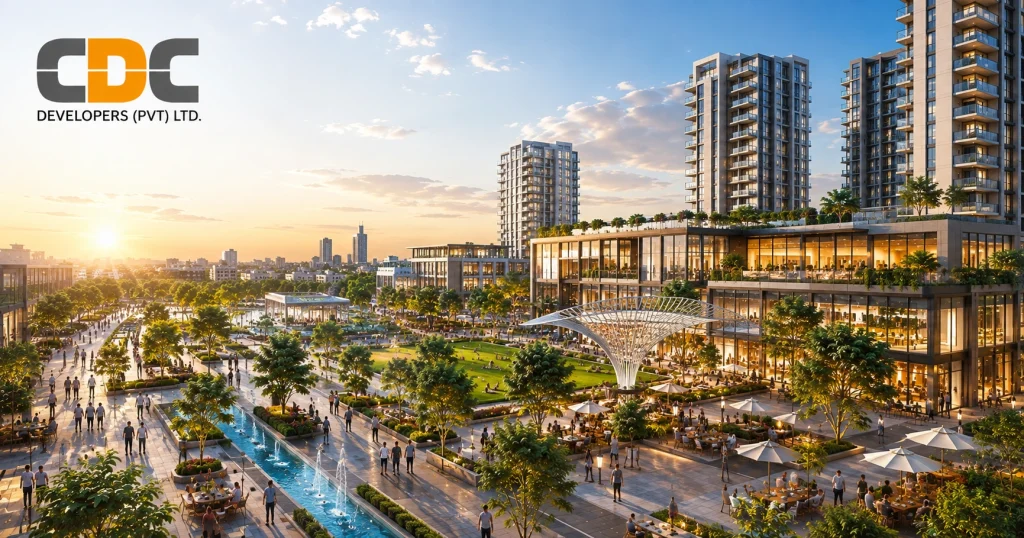
Modern real estate development is shifting away from simply constructing buildings and moving toward creating genuinely valuable destinations. At CDC Developers, we see this shift every day. A residential, commercial, or mixed use development is no longer judged only on its architecture. It is judged on how attractive, active, and commercially alive it feels to the people who use it.
This is where placemaking comes in. Well planned places can generate revenue through leasing, events, retail, partnerships, sponsorships, and many other channels. When these revenue channels are approached with intention, they form what we call a placemaking monetization strategy real estate developers can rely on for years to come.
In this article, CDC Developers walks through the full picture: what placemaking actually means, the monetization models available to developers, how retail placemaking works, how revenue share partnerships function, how to implement a strategy from scratch, and how to measure the return on investment.
What Is Placemaking? Definition, Meaning and Purpose
Definition of Placemaking
Placemaking is the process of designing and shaping physical environments so that people want to visit them, spend time in them, and return to them. There is an important difference between a space and a place. A space is simply an area with boundaries. A place is a space that has been given identity, purpose, and life through people, activities, culture, design, and accessibility.
For real estate developers, this distinction matters enormously. A well built space might sit empty. A well made place attracts footfall, tenants, and long term commercial demand.
What Is Placemaking in Architecture?
Architecture and placemaking work together but they are not the same thing. Architecture creates the physical environment: the buildings, the public areas, the landscaping, the walkways, the lighting, the seating, and the accessibility features. Placemaking focuses on how people actually use, experience, and connect with that environment once it exists.
In other words, architecture builds the stage. Placemaking decides whether people want to stay for the performance.
What Does Place Making Mean in Real Estate?
In real estate terms, place making simply means designing developments so they function as living, active destinations rather than static structures. This can take several forms:
- Residential placemaking, where communal areas, greenery, and social spaces improve quality of life for residents
- Commercial placemaking, where retail and office environments are designed to attract customers and tenants
- Mixed use placemaking, where residential, retail, and commercial functions blend into a single connected experience
- Community oriented development, where public spaces encourage interaction, events, and a shared sense of belonging
What Is the Definition of Place in Business?
From a business perspective, place is not just a physical location. It is a commercially valuable destination. Location alone does not guarantee success. What matters is how that location influences customer behavior, whether people can find it easily, whether they feel comfortable spending time there, and whether footfall translates into commercial activity.
Businesses naturally prefer places with strong visibility, easy accessibility, consistent footfall, and genuine customer engagement. This is why developers who understand the definition of place in business are able to create environments that benefit both the people who use them and the businesses that operate within them.
Why Does Placemaking Matter in Real Estate Development?
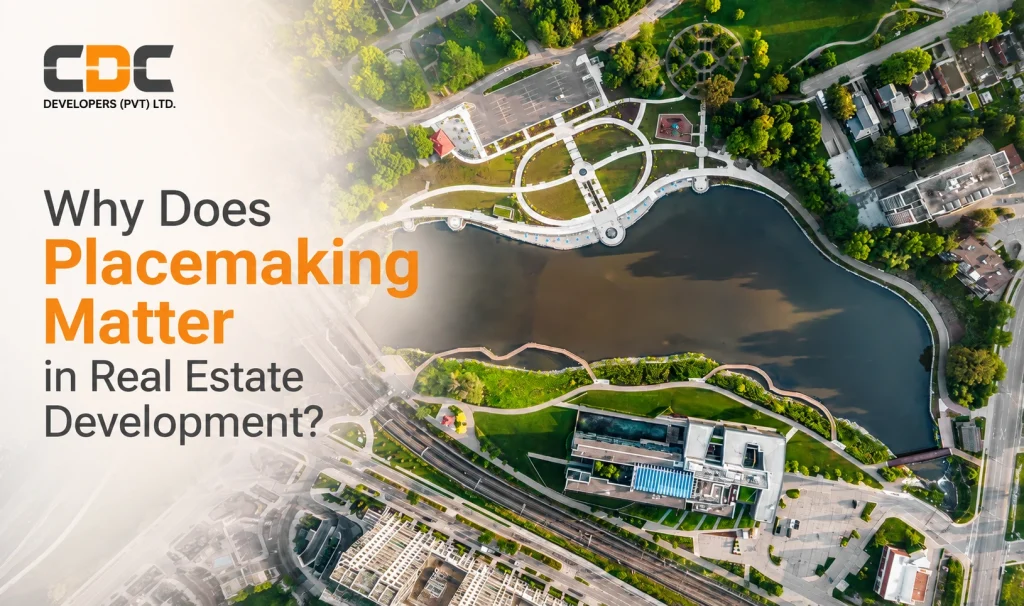
Competition in real estate is increasing every year, and attractive buildings alone are often not enough to stand out. Placemaking gives developers a practical way to differentiate their projects by improving:
- Footfall
- Dwell time
- Tenant demand
- Occupancy rates
- Customer experience
- Brand identity
- Overall property attractiveness
- Long term property value
Placemaking is particularly important for mixed use developments, where residential, retail, and commercial audiences all interact within the same environment. A strong place making approach ensures these different groups coexist comfortably while still generating commercial value.
What Is a Placemaking Monetization Strategy in Real Estate?
A placemaking monetization strategy real estate developers implement is essentially a plan for converting people, activity, experiences, and commercial spaces into revenue opportunities. It is important to understand that creating a place and monetizing a place are two separate steps. A development can be beautifully designed and still fail to generate meaningful income if monetization is never planned properly.
At the same time, monetization should never come at the cost of user experience. The most successful strategies generate revenue quietly, through natural commercial activity, rather than by overwhelming visitors with advertising or overly aggressive leasing.
Direct Placemaking Revenue
- Commercial leasing
- Retail income
- Event rentals
- Sponsorships
- Advertising
- Food and beverage income
- Pop up spaces
- Memberships
Indirect Financial Benefits of Placemaking
- Higher rental demand
- Better occupancy
- Premium rents
- Stronger tenant retention
- Increased property attractiveness
- Potential increase in overall property value
- Greater investor appeal
What Are the Best Placemaking Monetization Models for Developers?
There is no single correct model. The right placemaking monetization models for developers depend on the type of project, the target audience, and the available space. Below are the models CDC Developers considers most effective.
1. Retail and Commercial Leasing
Shops, restaurants, cafes, and lifestyle brands generate direct rental income while also drawing footfall to the wider development. Strong footfall increases the commercial attractiveness of a location, which in turn allows developers to charge premium commercial locations at higher rates.
2. Events and Experiential Spaces
Markets, exhibitions, festivals, corporate events, and community activities can turn otherwise unused or flexible spaces into consistent revenue generating assets through venue rental.
3. Advertising and Sponsorship
Digital screens, outdoor advertising, branded installations, event sponsorship, brand activations, and naming opportunities all provide additional income streams without requiring major structural investment.
4. Food and Beverage Partnerships
Restaurants, cafes, food courts, food concepts, and pop up food businesses can operate under revenue sharing arrangements, giving developers a share of ongoing sales rather than a fixed rent alone.
5. Pop Up Retail and Flexible Commercial Spaces
Temporary shops, seasonal retail, product launches, and brand activations allow developers to fill space quickly through short term leasing while keeping the environment fresh and interesting for visitors.
6. Membership and Paid Experiences
Community memberships, wellness activities, workshops, premium experiences, and exclusive clubs create recurring income while strengthening loyalty among residents and visitors.
7. Hospitality and Entertainment
Hotels, leisure concepts, entertainment venues, and family attractions increase both footfall and commercial activity, positioning a development as a genuine lifestyle destination rather than a purely functional site.
How Retail Placemaking Creates More Commercial Value
Retail placemaking is the practice of designing a shopping environment as a destination rather than a simple transactional area. There is a clear difference between a conventional shopping strip and a destination oriented retail environment that combines retail, food and beverage, entertainment, public space, events, and green areas into one cohesive experience.
Tenant mix and customer experience are central to retail placemaking. When footfall and dwell time increase, commercial performance tends to follow, supporting higher tenant demand and stronger rental performance across the entire development.
Key Elements of Successful Retail Placemaking
- Walkability
- Visibility
- Accessibility
- Comfortable public spaces
- Attractive storefronts
- Seating
- Landscaping
- Lighting
- Events
- Strong tenant mix
How Does Placemaking as a Service Work?
Placemaking as a service describes an arrangement where developers partner with specialist placemaking operators rather than managing every commercial and experiential detail themselves. The developer typically provides the physical space and infrastructure, while the operator manages tenants, events, programming, and ongoing commercial activity.
Fixed Fee Placemaking Model
Under this model, the developer pays a predetermined management or service fee, and the operator manages an agreed set of placemaking activities. This suits developers who prefer predictable costs and a clearly defined scope of work.
Revenue Share Placemaking Model
In a revenue share arrangement, the operator earns an agreed percentage of generated revenue, meaning the developer and operator share directly in commercial success. This model can align incentives well, though it carries some risk if revenue projections do not materialize. Because of this, it is essential that revenue is clearly defined within the agreement from the outset.
Hybrid Placemaking Commercial Model
A hybrid structure combines a base management fee with a revenue share component. Many developers prefer this approach because it provides financial predictability while still aligning the operator incentives with the overall performance of the development.
How Can Developers Choose the Right Placemaking Monetization Model?
Different developments require different monetization models. When CDC Developers evaluates the right approach for a project, we consider factors such as:
- Target audience
- Development type
- Location
- Available commercial space
- Expected footfall
- Local demand
- Tenant requirements
- Operating costs
- Investment requirements
- Revenue potential
- Long term development goals
How to Build a Successful Placemaking Monetization Strategy
Step 1: Understand Your Target Audience
Identify who the development is really designed for, whether that is residents, shoppers, office workers, families, tourists, or general visitors.
Step 2: Define the Purpose of the Place
Decide clearly whether the development is primarily residential, retail, commercial, leisure focused, or a genuine mixed use environment.
Step 3: Design Around People
Prioritize walkability, accessibility, seating, landscaping, lighting, safety, and quality public spaces so the environment naturally encourages people to stay longer.
Step 4: Create the Right Tenant Mix
Choose complementary businesses, avoid tenant conflicts, and design an offering that gives visitors real reasons to stay longer and spend more.
Step 5: Build Multiple Revenue Streams
Combine leasing, events, advertising, sponsorships, food and beverage income, pop up retail, and strategic partnerships rather than relying on a single income source.
Step 6: Build Strategic Partnerships
Work with retailers, restaurants, brands, event organizers, entertainment operators, and community organizations to keep the development active and commercially relevant.
Step 7: Track and Optimize Performance
Continuously monitor revenue, footfall, occupancy, customer engagement, dwell time, and tenant performance so the strategy can be refined over time.
How to Measure the ROI of Placemaking
To understand whether a placemaking monetization strategy real estate project is genuinely working, developers should track a combination of financial and experiential indicators, including:
- Footfall
- Customer dwell time
- Occupancy rate
- Rental income
- Revenue per square foot
- Event revenue
- Sponsorship revenue
- Tenant retention
- Customer engagement
- Property value
- Overall return on investment
It is important for developers to measure both financial performance and user experience together, since strong numbers built on a poor visitor experience rarely last.
What Mistakes Should Developers Avoid in Placemaking?
1. Focusing Only on Appearance
Beautiful spaces still need to be functional and commercially viable, not just visually impressive.
2. Ignoring the Target Audience
A place must be designed around its actual users rather than an assumed or generic audience.
3. Choosing the Wrong Tenant Mix
Businesses within the same development should complement rather than compete against each other in ways that reduce overall performance.
4. Creating Spaces Without a Revenue Plan
Monetization should be considered early in the design process, not added as an afterthought once construction is complete.
5. Depending on One Revenue Stream
Relying on a single income source increases commercial risk. Multiple revenue streams provide stability.
6. Ignoring Operating Costs
Revenue does not automatically equal profit. Ongoing operating costs must be factored into every monetization decision.
7. Failing to Measure Results
Developers should continuously track performance rather than assuming early success will continue without ongoing attention.
What Is the Future of Placemaking in Real Estate?
Looking ahead, CDC Developers sees several clear trends shaping the future of place making, including experience driven real estate, an increasing focus on mixed use developments, flexible commercial spaces, community focused design, technology enabled experiences, sustainable placemaking practices, walkable destinations, brand partnerships, revenue share models, and a growing emphasis on recurring commercial income rather than one time transactions.
Conclusion:
Placemaking is far more than an architectural concept. As this article has shown, the definition of placemaking centers on turning ordinary spaces into places people genuinely want to visit, and this principle applies directly to both architecture and real estate as a whole.
By combining thoughtful design with structured monetization models, including retail placemaking and placemaking as a service arrangements built around revenue share, developers can unlock consistent, diversified income. A successful placemaking monetization strategy real estate project ultimately creates value for three groups at once: the developers who invest in it, the businesses who operate within it, and the people who use it every day.
At CDC Developers, we believe placemaking should be treated as a long term commercial strategy rather than simply a design concept, and developments built with this mindset are the ones best positioned for lasting success.